

The Power of Practice: Why Change Lives in Ritual, Not in One-Offs
The ritual (if you don’t like that word try routine, consistency, habit) is how the ordinary becomes extraordinary. It’s how transformation actually happens. Not in a single lightning-bolt moment, but in the slow, steady practice of returning, again and again. And we’ll say it again, it’s so easy to fall back into old patterns. We’re householders. We live in real lives, with families, dishes, deadlines, distractions. We’re not practicing in a vacuum.
The Hardest Step in Change Isn’t Starting. It’s Asking for Support.
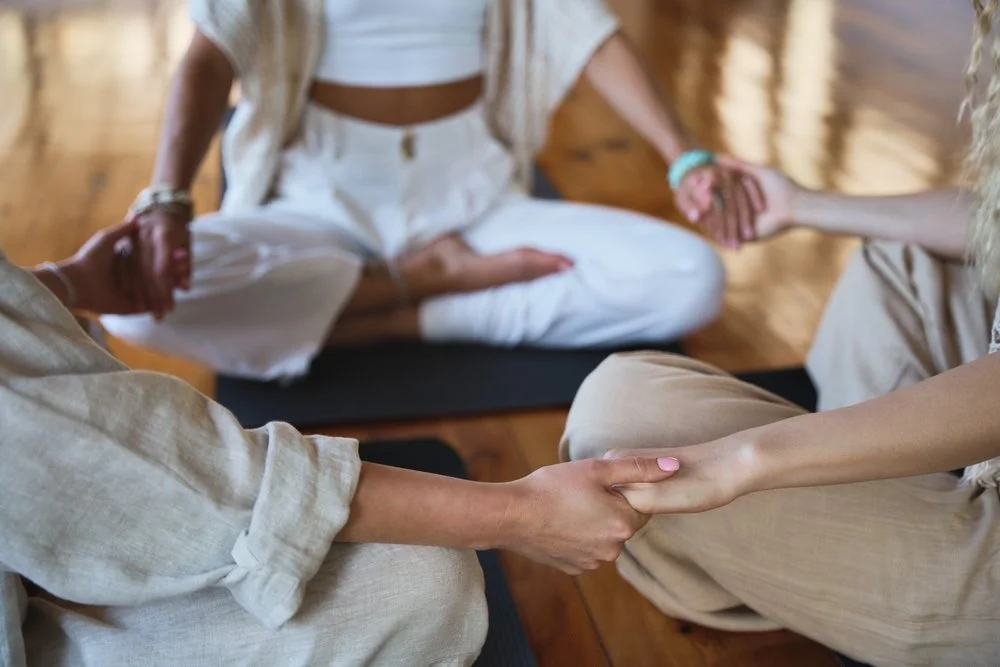
When you’re changing, you’re not just breaking your own patterns. You’re disrupting the shared patterns you have with others. The Friday-night drinks crew, the partner who loves a late-night binge, the coworker who counts on you for the 3pm coffee splurge. You want to end a bad habit, but you might not have willpower to overcome the routine that has been set for you and evolve into the new you, the one that drops that bad behavior and clears space for a new, better option.
Why You Keep Reacting the Same Way, And How to Break the Pattern
Here's what changes everything: Creating space between trigger and reaction. When there's no space, karma controls you. The pattern runs automatically. But when you create space (even just a breath or two) you give yourself the option to respond differently. Or to not respond at all. This is what I think mindfulness actually is. Not sitting on a cushion humming (although that’s great for calming your anxiety by activating your vagus nerve). It's noticing your patterns in real time and choosing whether to follow them or not.
What Yoga Actually Is (And What It's Not)
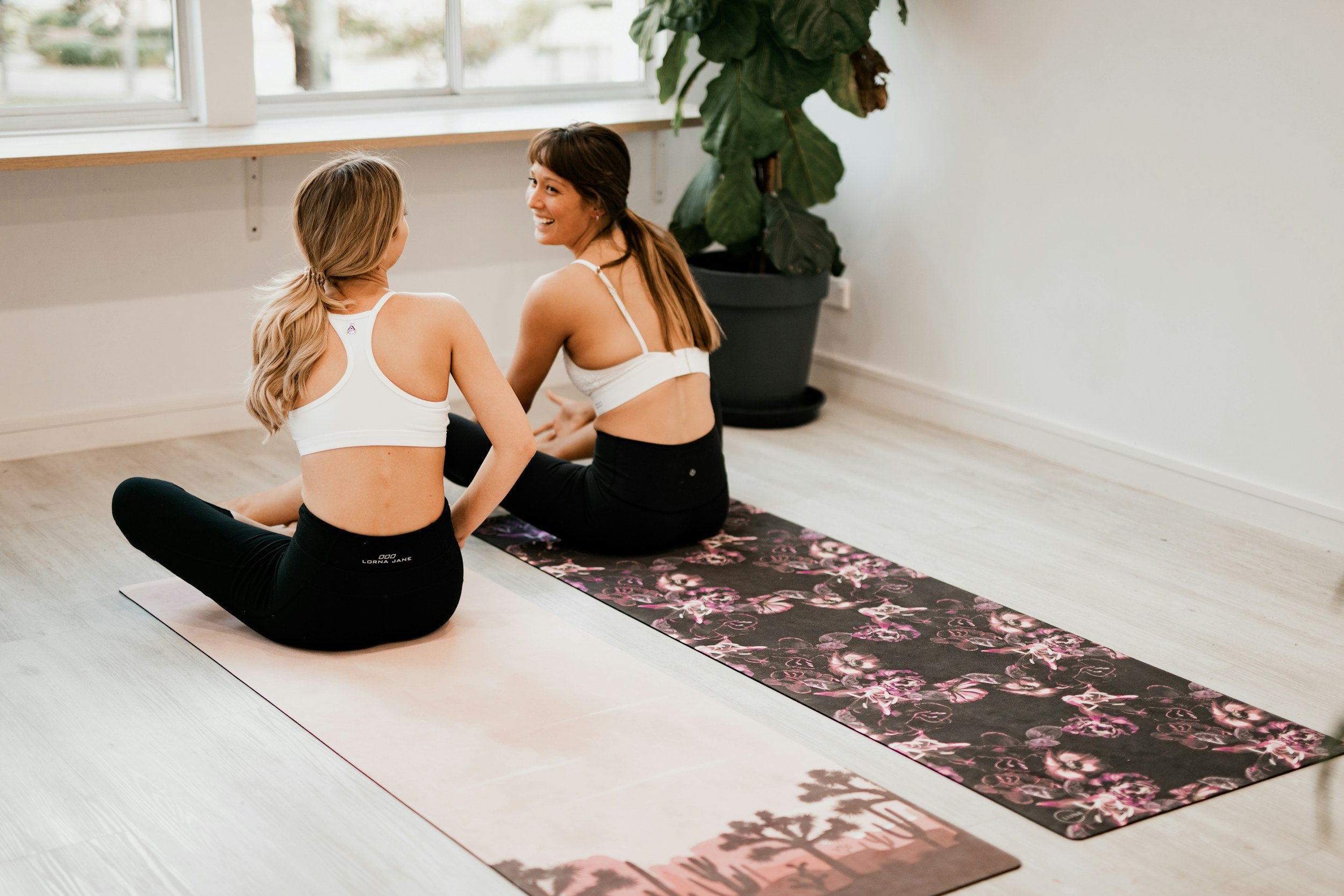
Going too deep in a pose, especially repeatedly over time, does more harm than good. Yogis with strong practices who loved splits and deep hip openers are now dealing with hip issues. People who loaded their shoulders for years in chaturangas and arm balances are facing injuries. If you're already amped up and stressed, overstimulated, running on adrenaline, and you keep choosing high-intensity, fast-paced classes, you're not honoring what your body actually needs. Especially if you’re (don’t hate the messenger) female. A mom. A coffee drinker. In the midst of as the internet loves to say: ‘generally gesturing all around about’ all this.
Why Meditation Hasn't Worked for You Yet (And How to Fix That)
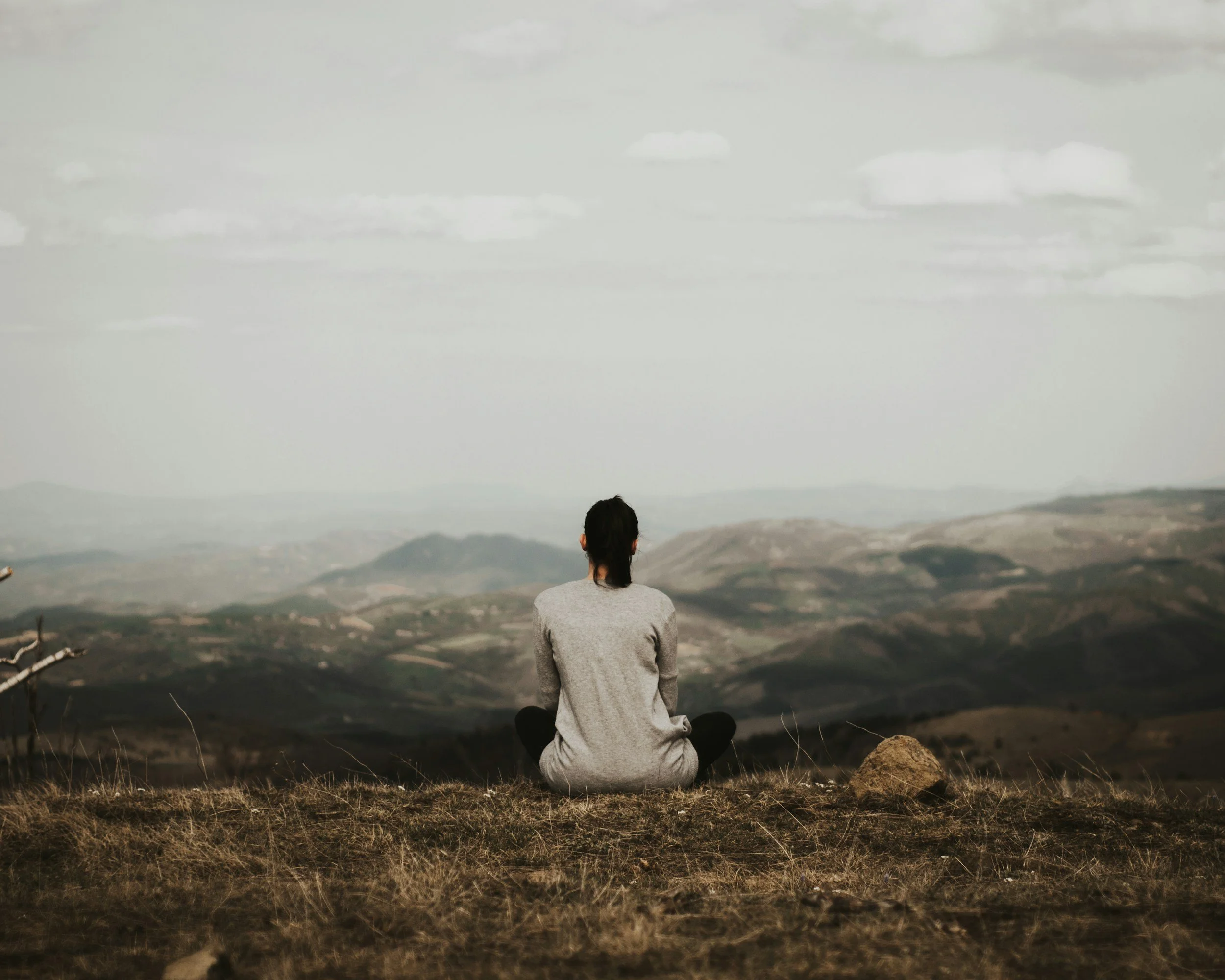
Meditation isn't a single practice. It's an umbrella term covering dozens of different techniques, each designed to work with different types of minds, bodies, and personalities. Asking everyone to meditate the same way is like asking everyone to learn the same way in school. Some of us need to see it, some need to hear it, and some need to move through it. The meditation practice that changes your life might not involve sitting still at all.
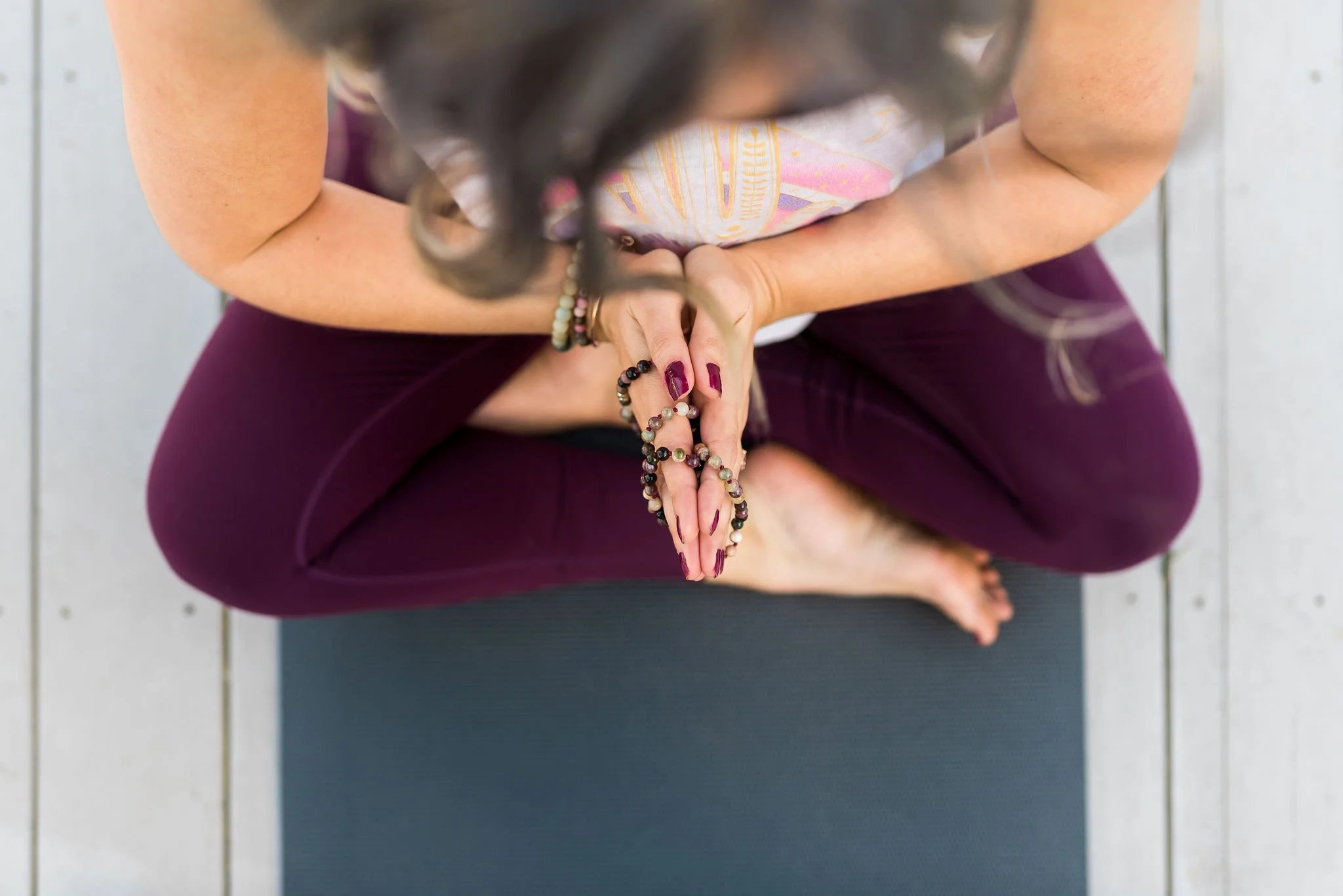
My Personal Yoga Story - Yoga is the Ultimate Rough Draft, Work in Progress
I want more people to experience the ripple effect: you come to yoga for your tight hamstrings and you leave with better boundaries. You come to manage stress and you leave with a spiritual practice. You come for one reason and you stay because you've touched something real: the integration of body, breath, and mind. The lived experience that you're not broken, you're not separate from yourself, you're not supposed to be thinking your way through everything.
I want more people to know that a practice that evolves with you is a practice you'll never outgrow. That being a forever student isn't a failure to master something. It's an acceptance that growth and learning and deepening are the actual destination.